Guía en Español logo

Flora & Fauna of Tanzania

Tanzania is one of Africa's richest biodiversity destinations, spanning open savannahs, mountain forests, crater highlands, wetlands, and coral-fringed coastlines. Understanding these ecosystems helps travelers choose routes that match their interests in wildlife behavior, landscapes, and conservation impact.

Tanzania Wildlife Icons

Tanzania Wildlife Icons

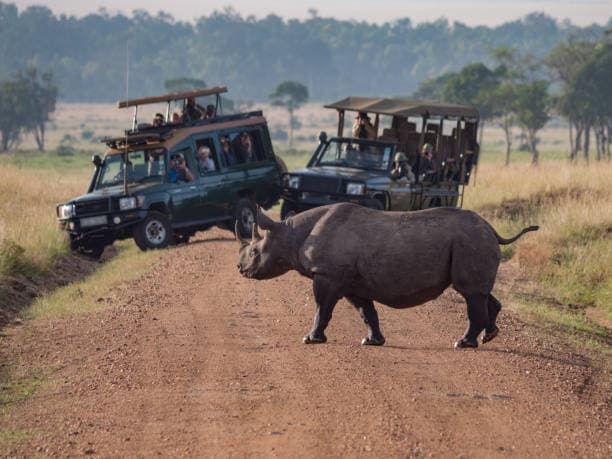
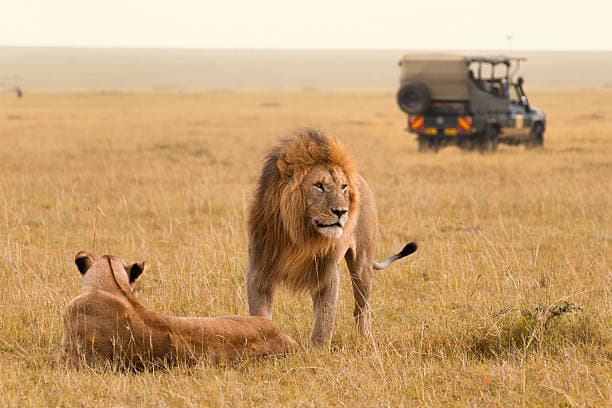
Across Serengeti, Ngorongoro, Tarangire, and Ruaha, travelers can witness classic East African wildlife communities in action. These ecosystems support elephants, big cats, large grazers, and complex predator-prey dynamics that make every game drive different.
Flora, Forests & Endemics

Flora, Forests & Endemics

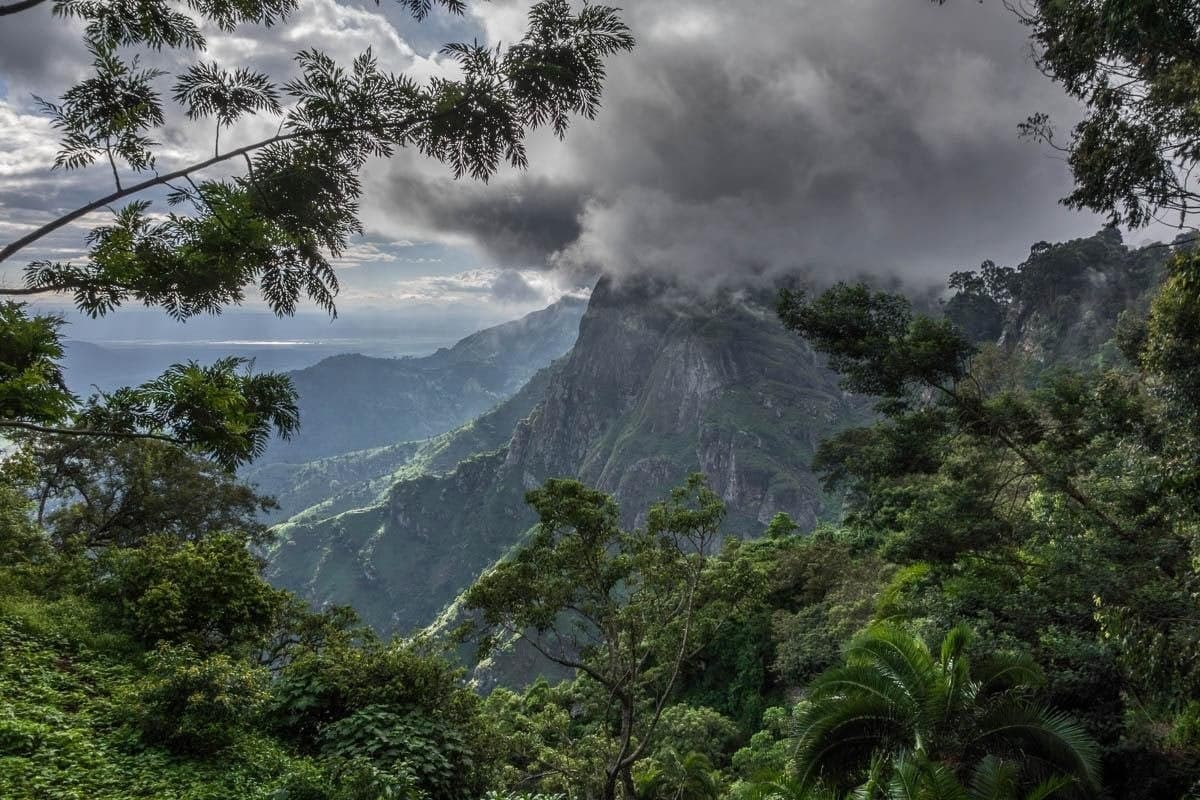
From the Usambara and Udzungwa ranges to groundwater forests around Manyara, Tanzania's plant diversity shapes where wildlife can thrive. These habitats are also important for endemic species and rare ecological niches not found in open plains.

Predators & Prey Balance

Predators & Prey Balance

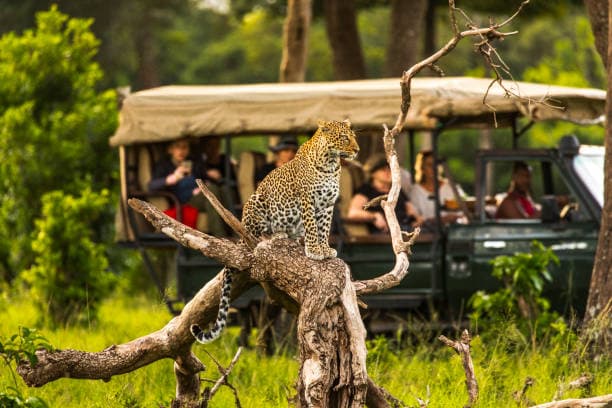
Healthy lion, leopard, and hyena populations depend on strong herbivore movements and resilient landscapes. Watching these interactions in the field reveals how seasonality, terrain, and migration corridors sustain the broader ecosystem.

Conservation Species

Conservation Species

Tanzania's protected areas play a major role in safeguarding vulnerable species, including rhino populations and other at-risk wildlife. Visiting responsibly supports long-term conservation management, monitoring, and community-linked protection efforts.

Wetlands & Marine Ecosystems

Wetlands & Marine Ecosystems

River systems, floodplains, mangrove edges, and coastal reefs connect terrestrial and marine biodiversity. In places like Zanzibar and Mafia, travelers can pair safari experiences with snorkeling and coastal ecology exploration in warm Indian Ocean waters.

Discover these ecosystems firsthand

Request Travel Proposal